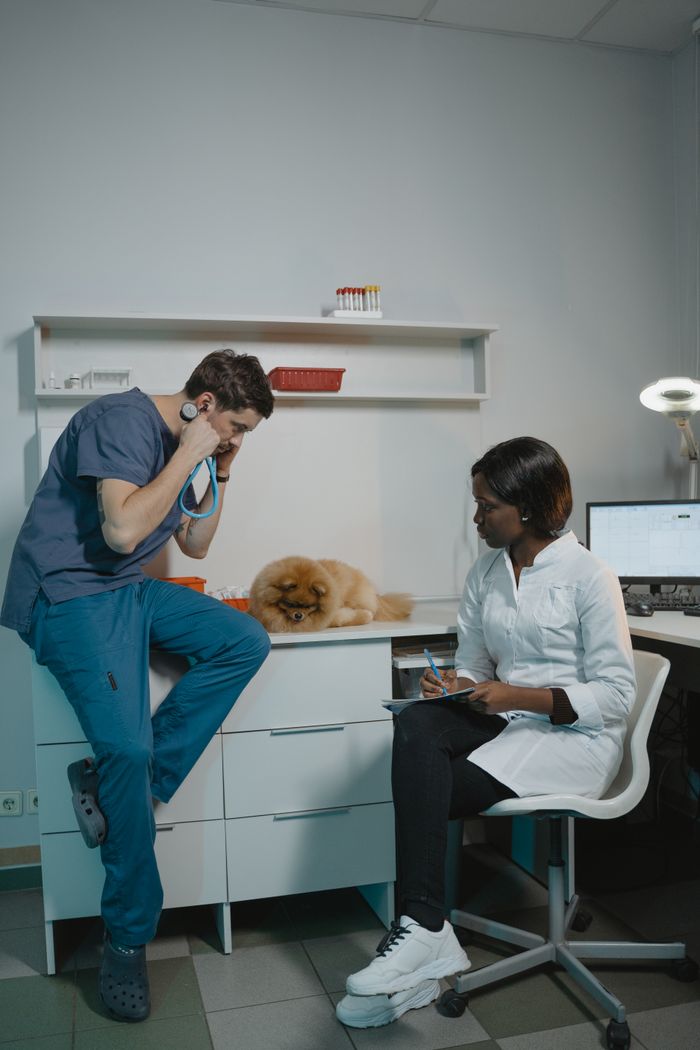
“But he seems fine!” is something we hear daily — and it’s wonderful news. A routine checkup exists to keep it that way. Here’s what those forty minutes actually accomplish, and why skipping them costs more later.
What we examine (and why it matters)
A checkup is a head-to-tail detective session: eyes and ears for infection, teeth for hidden disease, heart and lungs for murmurs, abdomen for lumps, skin for allergies, joints for early arthritis, and weight trends that predict diabetes and joint strain. Most findings are small — which is exactly the point.
How often is “routine”?
Puppies and kittens need a series of visits in year one. Healthy adults do well yearly. Seniors — dogs over 8, cats over 10 — deserve twice-yearly visits with annual blood work, because their bodies change fast and early detection changes outcomes.
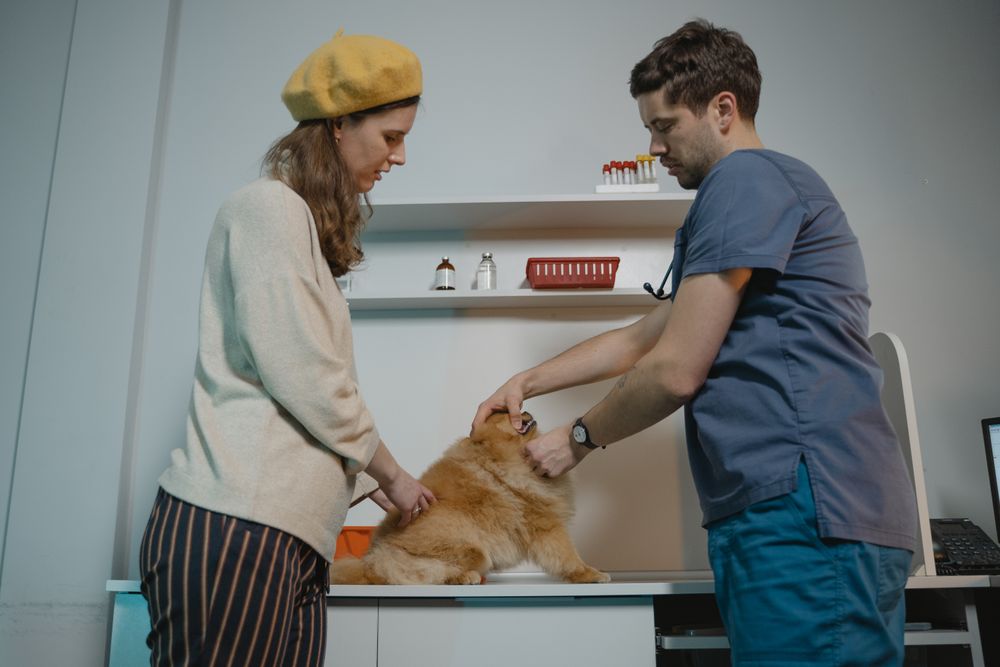
Vaccines, prevention, and the plan
Checkups keep protection current without overdoing it: we tailor vaccines to lifestyle, update flea-tick-heartworm prevention for the season, and adjust food portions as metabolisms change. You leave with a written report card — what’s great, what to watch, and what’s next.
Making visits stress-free
Carrier training for cats, car-ride treats for dogs, pre-visit calming plans for the anxious — and our fear-free check-up rooms do the rest. A pet that enjoys the clinic gets better exams, because relaxed bodies reveal more.
- Yearly for adults, twice-yearly for seniors
- Full physical plus dental, weight, and prevention review
- Written report card at every visit
- Calming plans available for nervous pets